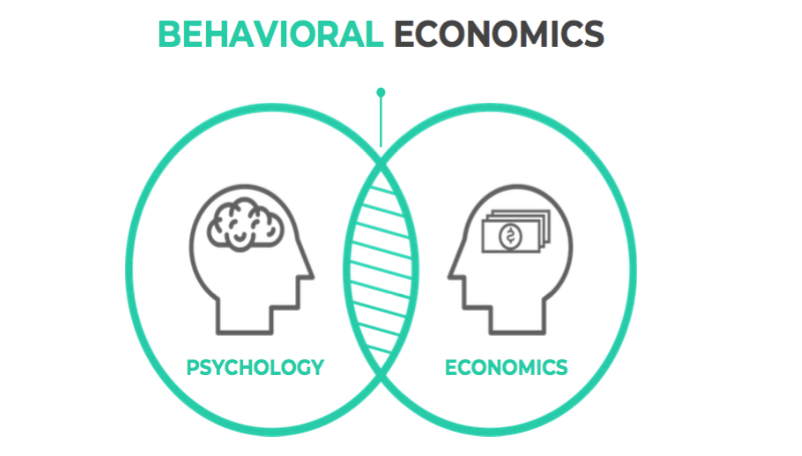
Behavioral economics helps us understand why we sometimes fail at managing our tasks and goals. By applying its principles, you can enhance your productivity and focus, creating better systems for task management in everyday life.
How Behavioral Economics Enhances Task Management
We often procrastinate, overestimate our abilities, and make decisions based on immediate rewards. Behavioral economics teaches us how to overcome these tendencies and develop more effective strategies for managing tasks.
Applying Cognitive Biases to Task Management
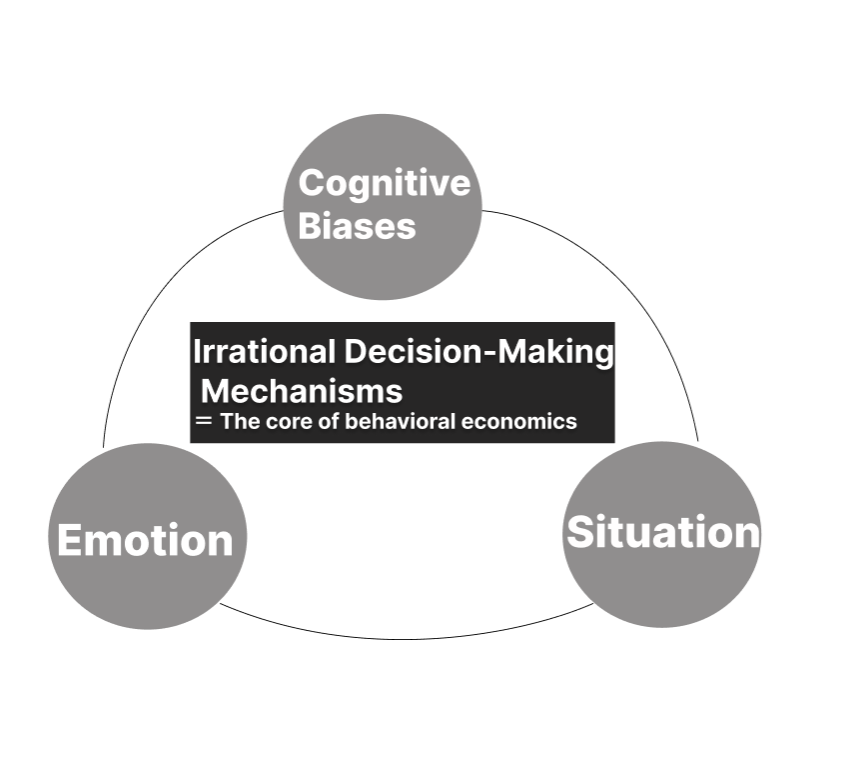
Understanding cognitive biases can improve task management by helping us recognize our flaws and make better decisions.
1. Overcoming Cognitive Biases
Some biases that affect our task management include:
Overconfidence Bias: Overestimating the time and resources needed for tasks. Solution: Break tasks into smaller, manageable steps and set realistic goals.
Hyperbolic Discounting: Preferring short-term gratification over long-term rewards. Solution: Prioritize tasks that have long-term benefits and create reminders to stay on track.
Planning Fallacy: Underestimating the time required to complete tasks. Solution: Plan with more buffer time and re-evaluate regularly.
Influence of Emotions on Task Completion
Our emotions can either drive or hinder task completion. Learning how to manage emotions is crucial for productivity.
2. Managing Emotions
Stress & Anxiety: High levels of stress can lead to procrastination. Solution: Break tasks into smaller chunks, take breaks, and focus on progress rather than perfection.
Motivation: Positive emotions can increase productivity. Solution: Use rewards and self-affirmation to boost motivation after completing small tasks.
Strategizing with Situational Influences
The way tasks are presented or how our environment is structured can influence how efficiently we work on them.
3. Environmental Factors
Choice Overload: Too many choices can lead to decision paralysis. Solution: Limit the number of tasks or decisions in a given period to prevent overwhelm.
Choice Architecture: The way tasks are presented can influence how we approach them. Solution: Use simple, clear task lists with prioritized tasks for the day.
Nudge Theory: Subtle changes can help you stay on track. Solution: Use visual cues, reminders, and positive reinforcement to keep motivated.
Final Thoughts: Achieving Better Task Management
By applying these behavioral economics principles, you can significantly improve your ability to manage tasks. It's about understanding your biases, emotions, and the external factors that influence your decisions. With this awareness, you can develop systems that work with human behavior rather than against it.